Radiant Heat That Runs Reliably
Hot Water Boiler Heating Services in Parsippany for aging systems, inconsistent room temperatures, and efficiency concerns
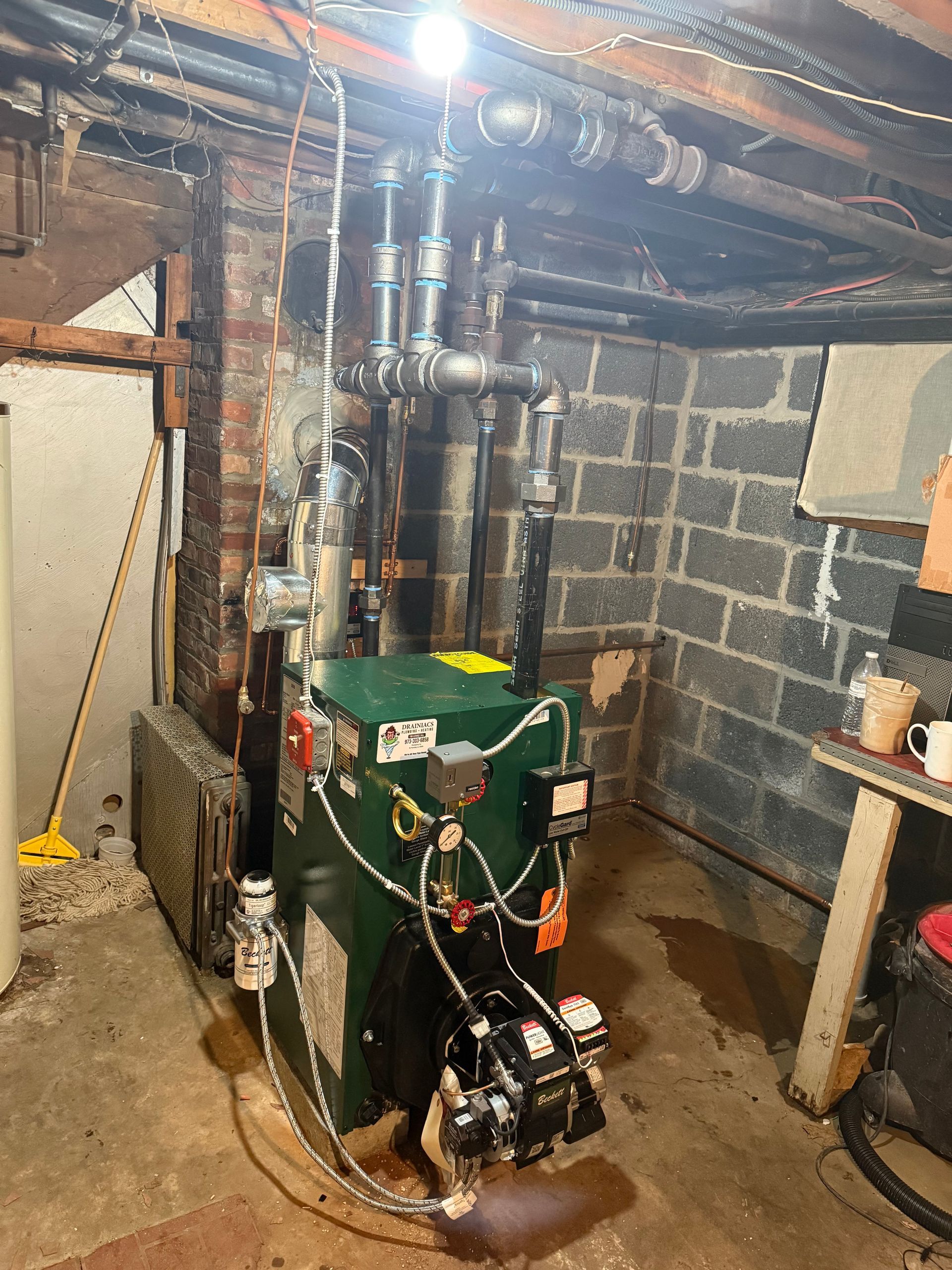
Hot water boilers circulate heated water through baseboard radiators, radiant floor tubing, or panel radiators to warm rooms without forced air, which eliminates the dust circulation and noise associated with furnaces while providing even, comfortable heat that does not create cold spots or drafts. Drainiacs Plumbing and Heating installs, repairs, and maintains hot water boiler systems in Parsippany for both residential properties with hydronic heating and commercial buildings requiring zone control and consistent temperatures across multiple spaces. These systems develop issues such as circulator pump failures that stop water movement, expansion tank problems that cause pressure fluctuations, zone valve malfunctions that leave some rooms cold, and efficiency losses from sediment buildup or aging heat exchangers. Regular maintenance prevents most breakdowns and keeps operating costs lower than systems running with dirty components or worn parts.
The service includes diagnosing heating failures, replacing faulty components such as pumps and controls, flushing the system to remove sludge that restricts flow, bleeding air from radiators that prevent proper heat distribution, and upgrading to high-efficiency condensing boilers that extract more heat from combustion gases. Seasonal inspections before winter verify that the system will perform when outdoor temperatures drop and heating demand increases.
Schedule a system evaluation if you notice rooms that stay cold despite the boiler running, unusual noises from the unit or piping, or rising fuel costs without corresponding increases in usage.
What Separates Efficient Systems From Struggling Ones
Boilers that receive annual maintenance maintain efficiency by keeping heat exchanger surfaces clean and ensuring proper combustion air mixture, while neglected systems accumulate soot on the heat exchanger that acts as insulation and forces the burner to fire longer to achieve the same water temperature. Circulator pumps that move water through the heating zones eventually wear out and lose flow capacity, which results in lukewarm radiators and rooms that never reach thermostat setpoint. Air trapped in the system creates gurgling noises and prevents hot water from fully filling radiators, leaving cold sections that reduce heat output.
After service, you will notice rooms heating evenly to the temperature you set, reduced fuel consumption as the system runs more efficiently without fighting dirty components or air locks, and quiet operation without the banging or rushing water sounds that indicate trapped air or failing pumps. The boiler itself cycles less frequently because it heats water faster and distributes it more effectively through properly functioning zones.
Upgrading from older non-condensing boilers to modern condensing units captures heat from exhaust gases that standard boilers vent outside, which can reduce fuel use by twenty to thirty percent depending on the existing system's age and condition. Zone controls allow different areas to maintain different temperatures and avoid heating unused spaces.
Answers to Frequent Service Questions
Property owners often need guidance on identifying boiler problems before they cause complete heating failures during the coldest parts of winter.
What causes some rooms to stay cold while others heat properly?
Zone valve failures prevent hot water from reaching specific areas, air trapped in radiators blocks water circulation, or balancing issues cause water to take the path of least resistance and bypass distant radiators in favor of closer ones.
How often do hot water boilers need maintenance?
Annual service before heating season starts includes cleaning the heat exchanger, testing safety controls, checking circulator pump operation, verifying expansion tank pressure, and flushing sediment that accumulates in the boiler and reduces efficiency.
Why does my boiler short cycle and turn on and off frequently?
Oversized boilers for the actual heating load, faulty aquastats that misread water temperature, dirty heat exchangers that prevent proper heat transfer, or low water flow from failing circulators all cause the system to reach setpoint too quickly and cycle excessively.
When should I replace rather than repair my boiler?
Systems older than twenty years with cracked heat exchangers, repeated component failures, or efficiency ratings below eighty percent often cost more to maintain than they save compared to new condensing boilers that operate at ninety-five percent efficiency or higher.
What maintenance can prevent mid-winter breakdowns in Parsippany?
Pre-season inspection identifies worn circulators, leaking zone valves, low system pressure, and dirty components before they fail during peak demand, when repair costs increase and technician availability decreases due to high service volume.
Drainiacs Plumbing and Heating provides both emergency heating repair when boilers fail unexpectedly and planned replacement when efficiency testing or component condition indicates a system nearing the end of reliable service life. Set up an appointment to review your current boiler's performance and determine whether repair or replacement makes better financial sense given the system's age and condition.