Basements That Stay Dry During Storms
Sump Pump Installation & Repair in Parsippany for preventing groundwater and storm runoff from flooding below-grade spaces
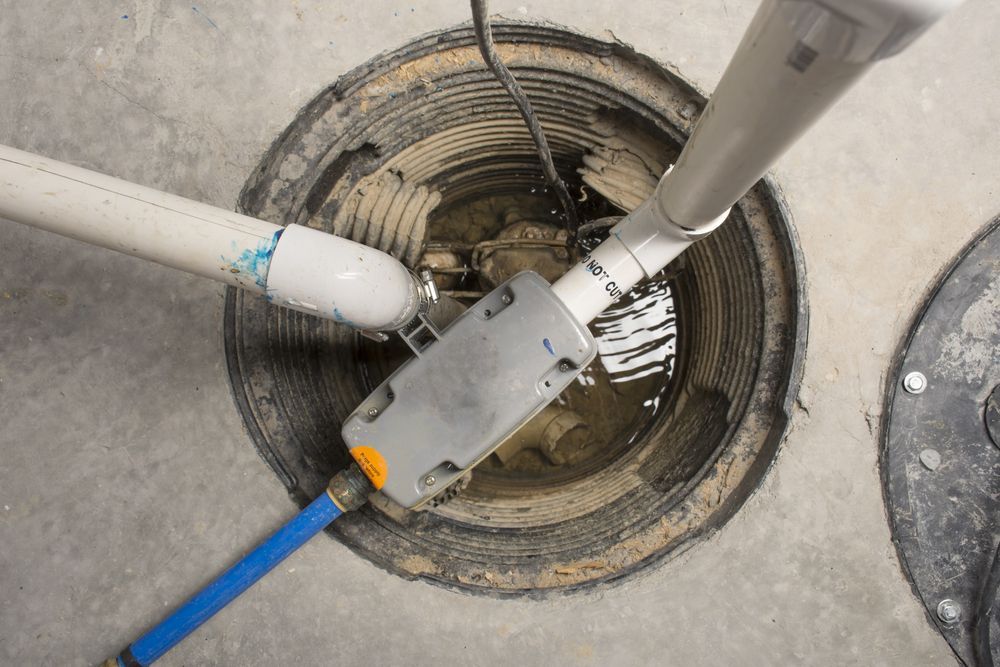
Parsippany properties experience seasonal groundwater elevation during spring thaw and heavy rain events, conditions that push water through basement walls and floor cracks if no active removal system exists. Sump pumps collect this water in a basin and discharge it away from the foundation before it floods finished spaces or damages stored belongings. When these systems fail during the storms that create the highest water volume, basements flood within hours and the cleanup involves not just water removal but also mold remediation and replacement of damaged materials. Drainiacs Plumbing and Heating installs new sump pump systems and provides emergency repair for failing pumps, ensuring that properties have functional flood prevention when weather conditions create the greatest risk.
Installation work includes sizing the basin to handle peak water inflow rates, selecting a pump with adequate horsepower and head pressure to move water the required distance, and routing discharge lines so water drains away from the foundation rather than returning to the same soil that feeds the sump basin. The system requires a dedicated electrical circuit, and code compliance includes check valves that prevent backflow when the pump shuts off and alarm systems that alert property owners if water rises above normal levels.
Schedule a basement evaluation to determine whether your property needs a new sump system or whether your existing pump requires replacement before the next heavy rain.
What Changes After Sump Systems Are Installed
Functional sump pumps activate automatically when groundwater fills the basin to the preset level, run until the water drops below the lower switch, then shut off without requiring any manual intervention. The pump motor hums briefly during each cycle, and you hear water discharging through the outlet pipe, but the system operates without constant attention. Properties with properly installed sumps remain dry during storms that would otherwise flood basements, and the automatic operation means the system works even when no one is home to monitor water levels.
After installation, basement floors stay dry during rain events, stored items remain undamaged, and finished basement spaces remain usable year-round without the mildew smell that develops in chronically damp conditions. You notice the pump activating more frequently during heavy rain and spring thaw, which confirms the system is handling water that would otherwise accumulate in your basement.
Battery backup systems add a secondary pump powered by a marine battery that continues operating during power outages, which matters because severe storms often cause electrical interruptions at the same time they produce peak groundwater inflow. Routine maintenance includes testing float switches, inspecting the discharge line for freezing or blockages, cleaning the basin to remove sediment, and verifying that the backup battery holds a full charge.
Questions Before Starting Your Project
Basements throughout Parsippany face varying groundwater conditions depending on elevation, soil composition, and proximity to natural drainage patterns.
What size sump pump does my basement need?
Pump capacity depends on how quickly water enters the basin during peak conditions, the vertical height the pump must lift water to reach ground level, and the horizontal distance to the discharge point, with most residential installations using one-third to one-half horsepower pumps that move 35 to 50 gallons per minute.
How does a battery backup system work?
A backup pump connected to a sealed marine battery activates if the primary pump fails or if power is lost, and the battery provides enough capacity to run the backup pump through typical storm durations until power returns or the primary pump is repaired.
When should I replace rather than repair my sump pump?
Pumps that fail to activate when water rises, run continuously without lowering water levels, make grinding or rattling noises, or have reached seven to ten years of service should be replaced because repair costs approach the price of new installation and old pumps are likely to fail during the next major storm.
What causes sump pumps to fail during storms?
Power outages disable pumps without battery backup, stuck float switches prevent activation, clogged discharge lines cause the pump to run without moving water, and motors that have worn out from years of cycling cannot handle the sustained operation that severe storms demand.
How often does the system need maintenance?
Annual testing before spring thaw and storm season confirms that float switches operate correctly, the pump activates and discharges water properly, check valves seal when the pump stops, and backup batteries hold sufficient charge to run the secondary pump.
Drainiacs Plumbing and Heating installs sump pump systems designed for Parsippany groundwater conditions and provides emergency repair service when existing pumps fail. Call (973) 303-6858 to discuss installation options or request immediate repair for a malfunctioning system.