Steam Systems That Meet Safety Standards
Steam Boiler Heating Services in Parsippany for commercial facilities, industrial applications, and older residential buildings with radiator heating
Steam heating relies on boiling water to create vapor that rises through pipes to radiators, releases heat as it condenses back to liquid, and returns to the boiler through gravity rather than pumps, which makes the system mechanically simpler than forced hot water but more sensitive to pressure control and safety device function. Steam boilers in Parsippany serve industrial facilities requiring process steam, older multi-family buildings originally designed for coal-fired steam heat, and commercial properties where the existing piping infrastructure makes conversion to hot water impractical or prohibitively expensive. Drainiacs Plumbing and Heating handles steam boiler installation, repairs, pressure and safety testing, routine maintenance, and system upgrades that improve efficiency while maintaining the pressure and temperature characteristics these applications require. Unlike hot water systems that operate at relatively low pressure, steam boilers involve significant safety considerations and require components that function correctly to prevent dangerous pressure buildup.
Service work includes testing pressure controls and safety relief valves that prevent over-pressurization, inspecting the low-water cutoff that shuts the system down if water level drops dangerously low, cleaning sediment from the boiler that interferes with water level sensing, and verifying that steam traps throughout the system discharge condensate properly without allowing live steam to blow through. Seasonal tune-ups optimize combustion efficiency and confirm that all safety interlocks function as designed.
Arrange a pressure test and safety inspection if your steam system operates in a commercial or industrial setting where equipment failure would disrupt business operations or create liability concerns.
What Steam System Maintenance Actually Involves
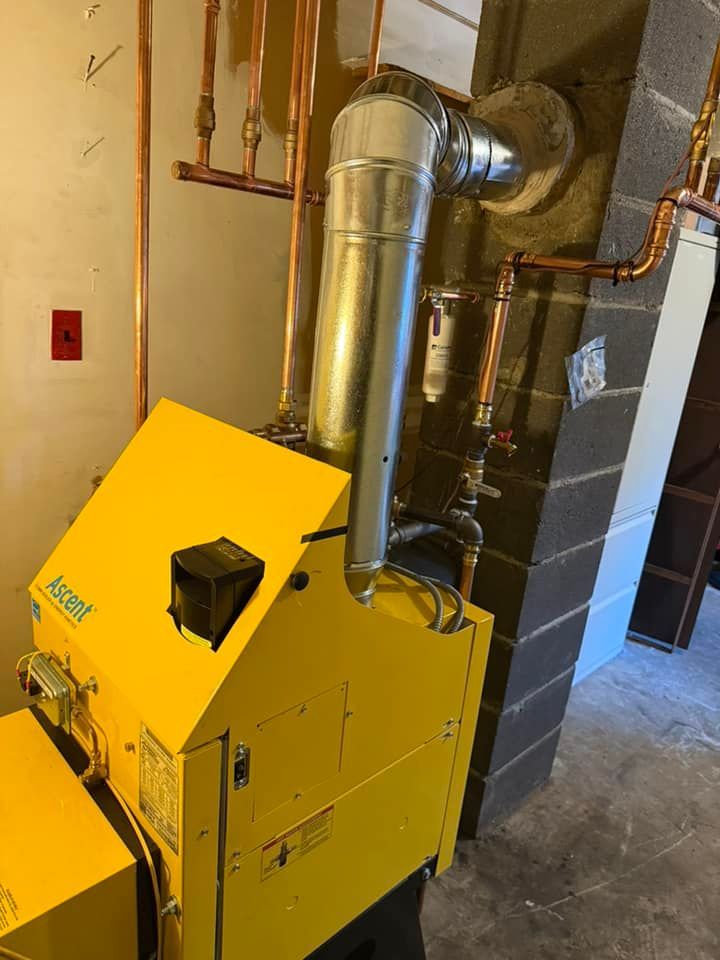
Steam boilers require more frequent attention to water quality and safety devices than hot water systems because the repeated boiling concentrates minerals and impurities that cause scaling and corrosion, while the higher operating pressures demand reliable safety controls to prevent hazardous failures. The low-water cutoff must be tested and flushed regularly to ensure sediment does not prevent it from detecting dangerous water levels, pressure controls need verification that they limit steam pressure to safe operating ranges, and the relief valve must lift at its rated pressure to prevent catastrophic tank rupture if controls fail.
After maintenance, the system operates at stable pressure without excessive cycling, radiators heat evenly without water hammer or banging caused by condensate trapped in supply lines, and fuel consumption stays consistent rather than climbing due to scale buildup or combustion problems. Safety devices respond correctly during testing, which confirms they will function if actual operating conditions exceed normal parameters.
Retrofitting older steam boilers with modern burner controls and insulation upgrades reduces fuel waste while maintaining the steam pressure and delivery characteristics the existing distribution system requires. These improvements do not require replacing radiators or repiping the building, which makes them cost-effective for structures where the steam infrastructure remains sound but the boiler itself has aged beyond efficient operation.
What Property Owners Usually Ask
Steam systems operate differently than the forced air or hot water heating most people encounter in residential settings, which raises questions about safety, maintenance requirements, and when replacement becomes necessary.
What makes steam boilers different from hot water boilers?
Steam systems boil water to create vapor that rises through pipes by pressure differential and releases heat as it condenses, while hot water systems circulate liquid water heated below boiling through pumps, which means steam operates at higher temperature and pressure with different safety requirements.
How often do safety devices need testing?
Low-water cutoffs require monthly testing and flushing in active systems to prevent sediment from blocking the sensing mechanism, while pressure controls and relief valves need annual verification that they respond at correct setpoints and actually shut down or relieve pressure when triggered.
Why does my steam system make loud banging noises?
Water hammer occurs when condensate trapped in supply pipes gets hit by high-velocity steam, which happens when pipes slope incorrectly, steam traps fail and allow water to back up, or air vents malfunction and prevent air from escaping as steam fills the system.
When should industrial facilities schedule boiler inspections in Parsippany?
Most commercial insurance policies require annual inspections by certified technicians, and many jurisdictions mandate regular pressure vessel testing for steam boilers operating above certain pressure thresholds, typically fifteen PSI or higher depending on local codes.
What causes steam boilers to fail prematurely?
Neglected water treatment allows scale and corrosion to damage heat exchanger surfaces, malfunctioning low-water cutoffs let the boiler fire without adequate water and crack the cast iron or steel sections, and failed pressure controls allow unsafe operating pressures that stress components beyond design limits.
Drainiacs Plumbing and Heating maintains documentation of safety testing and inspection results for commercial and industrial steam systems to support insurance and regulatory compliance requirements. Reach out to schedule your required annual inspection or to address performance issues affecting system reliability and safety.